Photo Content Ideas for Business Owners in 2026
Photo Content Ideas for Business Owners in 2026

TL;DR:
- Effective photo content ideas should align with specific marketing goals to maximize impact.
- Batching photo production reduces costs and ensures visual consistency across campaigns.
Photo content ideas are the planned visual concepts businesses use to attract attention, build trust, and drive conversions across marketing channels. Professional product photography alone delivers 94% higher conversion rates than amateur imagery. That gap is not a coincidence. It reflects how deeply visual content shapes buying decisions before a single word is read. The businesses winning on Instagram, LinkedIn, and Google right now treat photography as a core marketing asset, not an afterthought. Amigolabz works with business owners across New Jersey and Nevada to build exactly that kind of visual marketing foundation.
1. Align photo content ideas with your marketing goals
The most effective creative photography concepts start with a clear objective, not a camera. Before you shoot anything, define what the image needs to accomplish. Is it building awareness, generating leads, or closing a sale? Each goal demands a different visual approach.
Goal-based imagery breaks into three categories:
- Conversion drivers: Product photos with lifestyle context, before-and-after comparisons, and close-up detail shots that remove purchase hesitation
- Trust builders: Team headshots, client testimonials paired with real faces, and behind-the-scenes process shots that show the humans behind the brand
- Awareness creators: Bold, shareable visuals designed for social media reach, including event highlights and branded graphics
Brands that treat photography as performance infrastructure rather than decoration consistently outperform competitors in engagement and conversion. That framing matters because it shifts photography from a creative expense to a measurable investment.
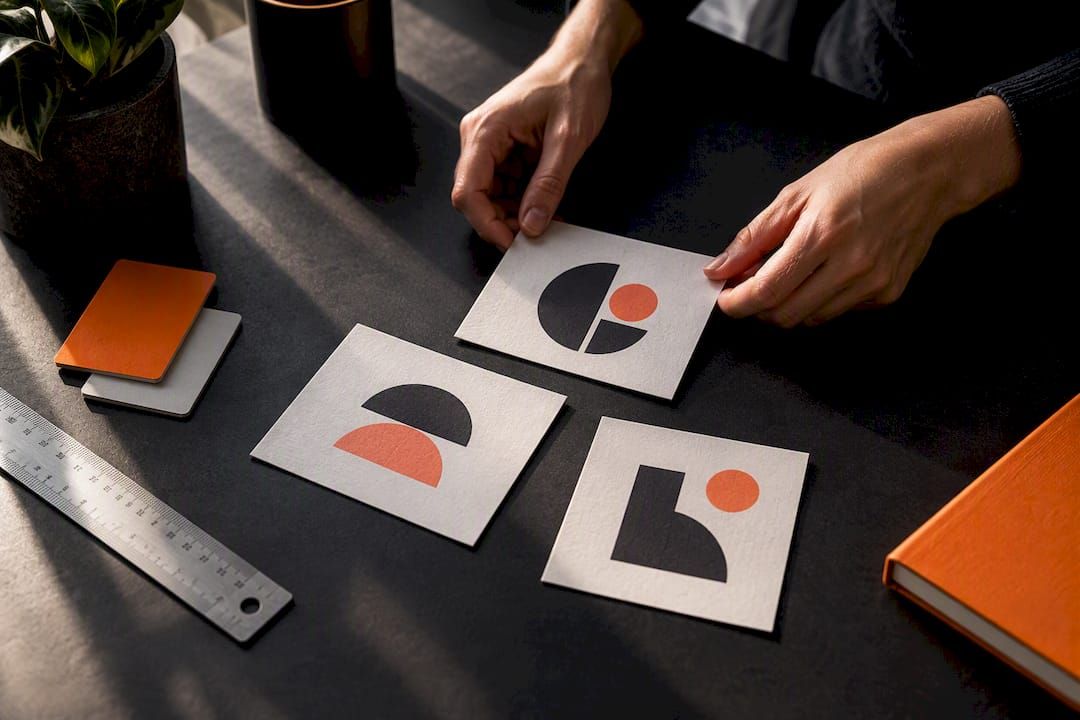
Pro Tip: Batch your photo production. Combining product shots, team headshots, and lifestyle images into one session reduces costs significantly and keeps your visual identity consistent across every campaign.

2. Lifestyle and context-rich product shots
Standard product-on-white photos have their place, but lifestyle imagery outperforms them. Products with lifestyle imagery see 15–30% higher conversions than plain product shots. The reason is simple: context creates desire.
A candle photographed on a marble countertop next to a book and a cup of coffee tells a story. A gym supplement photographed mid-workout does the same. Show your product in the environment where your customer already imagines using it. That mental bridge is what moves people from browsing to buying.
3. Service-in-action photography
Service businesses face a harder visual challenge than product companies. You cannot photograph an accounting service or a legal consultation the way you photograph a pair of shoes. Service-in-action photography solves this by capturing the process, the people, and the outcome.
A contractor photographed mid-installation, a consultant presenting to a client, or a chef plating a dish all communicate competence and professionalism without a single word. These images make intangible offerings feel real and credible. They are among the most underused unique photo themes in service-based industries.
4. Team and personal branding photos
People buy from people. A polished team photo or a candid headshot of the founder does more for trust than any stock image ever will. Google Business Profile photos directly influence search engagement and customer perception of credibility.
Personal branding photography goes beyond the standard headshot. It includes environmental portraits, photos that show your workspace, and images that reflect your professional personality. For business owners who are also the face of their brand, this category of photo ideas for influencers and entrepreneurs is non-negotiable.
5. Behind-the-scenes and process shots
Authenticity is a competitive advantage. Behind-the-scenes content shows the work that goes into your product or service, and audiences respond to it. A bakery photographing dough being shaped at 5 AM, a clothing brand showing fabric selection, or a marketing team mapping out a campaign all create a sense of transparency that builds loyalty.
These images work especially well in Instagram Stories, LinkedIn posts, and email newsletters. They do not require professional lighting or elaborate setups. A clean, well-framed phone photo taken during a real work moment often outperforms a staged studio shot in authenticity and engagement.
6. User-generated content and testimonials
User-generated content (UGC) is photography your customers create for you. It functions as social proof, and it carries more weight than branded content because it comes from real people with no obvious incentive to promote you. Encouraging customers to tag your brand or submit photos in exchange for a discount or feature creates a steady stream of authentic visual content.
Pair UGC with written testimonials and you have a trust-building combination that works across your website, social media, and paid ads. Visual content receives 94% more views than text-only content. A testimonial with a real customer photo attached performs far better than a text quote alone.
7. Event highlights and milestone photography
Events create natural content moments. Whether you are hosting a product launch, attending a trade show, or celebrating a business anniversary, professional event photography captures momentum and community. These images signal that your business is active, growing, and connected.
Milestone photography works similarly. A photo marking your 100th client, your first storefront, or your team's expansion tells a growth story that resonates with both existing customers and prospects. Post these images on LinkedIn for professional credibility and on Instagram for community engagement.
8. Platform-specific photo formats that maximize reach
Different platforms reward different formats. Getting this right is not optional if you want your engaging social media photos to actually perform.
- Instagram: A 4:5 vertical ratio occupies more screen space and increases engagement. Use carousels for storytelling and single images for bold, scroll-stopping moments.
- LinkedIn: Horizontal images and professional team photos perform well. Avoid overly polished stock imagery; real workplace photos outperform generic visuals.
- TikTok and Reels: Vertical 9:16 framing is mandatory. Static images used as video slides with text overlays are a low-cost, high-reach format.
- X and Threads: High-contrast images with minimal text and a clear focal point perform best. Infographics and data visuals drive shares.
Mobile generates 75–78% of all e-commerce traffic. Every photo you create should be composed and tested on a mobile screen before it goes live anywhere.
9. Visual hierarchy: hook, credential, and call to action
Every social media photo needs a three-part structure to perform. Highly engaging social visuals incorporate a hook to stop the scroll, a credential to establish context or trust, and a call to action to direct the viewer's next step.
The hook is usually a bold visual element: a striking color, a human face, or an unexpected composition. The credential might be a logo, a stat, or a short phrase that explains why the image matters. The call to action tells the viewer what to do next, whether that is visiting a link, saving the post, or leaving a comment. Skipping any one of these three elements reduces the image's effectiveness measurably.
10. Emerging technologies: 360-degree, AR, and AI-assisted photography
The gap between standard and advanced photo content is widening fast. 360-degree product images boost conversions by 22%, and products with augmented reality or 3D visuals see up to 94% higher conversions than static imagery. These formats are no longer reserved for enterprise brands with large budgets.
AI-assisted photo tools now automate background removal, color correction, and variant creation from a single source image. This means a small business can produce a full campaign's worth of visual content from one well-planned shoot, with AI handling the repetitive editing work at a fraction of the traditional cost.
AI photo tools reduce production time and cost while maintaining consistency across campaigns. For business owners who need to publish frequently across multiple channels, this is the single biggest efficiency gain available in 2026.
11. How to brainstorm photo content on a repeatable schedule
Knowing how to brainstorm photo content is as important as knowing what to shoot. The most successful business owners plan visual content as part of a systemic marketing workflow rather than as isolated creative efforts. That means building a content calendar that maps photo types to campaigns, seasons, and business goals.
A simple monthly framework works well:
- Week 1: Product or service feature shots tied to a current promotion
- Week 2: Team or behind-the-scenes content for authenticity
- Week 3: Customer story or UGC feature for social proof
- Week 4: Educational or trend-based visual content for authority
Pair this calendar with a content marketing checklist to make sure every image serves a defined purpose before it gets published. Consistency beats volume every time.
Key takeaways
The most effective photo content ideas are those planned around specific marketing goals, produced in batches for consistency, and formatted for the platform where they will appear.
| Point | Details |
|---|---|
| Goal-first planning | Define whether each image should convert, build trust, or create awareness before shooting. |
| Lifestyle imagery converts | Products shown in context see 15–30% higher conversions than plain product shots. |
| Mobile-first composition | Over 75% of e-commerce traffic is mobile; compose every photo for a vertical screen first. |
| Visual hierarchy matters | Every social image needs a hook, a credential, and a call to action to perform well. |
| Batch production saves money | Combining multiple photo types in one session cuts costs and keeps visuals consistent. |
Why photo content is the most undervalued marketing asset
Most business owners I work with treat photography as something they do once and forget. They get a few shots taken at launch, post them for a month, and then wonder why their social media feels stale six weeks later. That is not a creativity problem. It is a planning problem.
The businesses I have seen grow fastest through visual content share one habit: they treat photo production the same way they treat ad spend. They plan it quarterly, assign it a budget, and measure the results. They are not asking "what should we post this week?" They are asking "what does our audience need to see this month to move closer to buying?"
The other thing I have noticed is that behind-the-scenes and process content almost always outperforms polished studio shots for service businesses. Clients want to see the work, the team, and the real environment. That kind of content builds the trust that a perfectly lit product photo simply cannot. If you are a service business owner and you are not shooting your process regularly, you are leaving your most persuasive content on the table.
— John
How Amigolabz helps you build a photo-driven marketing strategy
Amigolabz works with business owners across the country to build marketing systems that actually perform. That includes helping you plan and deploy photo content across Facebook Ads, Google Ads, SEO, and your website so every image you produce works harder across every channel.

If your visual content is not generating the engagement or conversions your business needs, the issue is usually strategy, not the photos themselves. Amigolabz identifies exactly where your marketing gaps are and builds a plan to close them. Explore Amigolabz services or book a call to see what a focused visual marketing strategy can do for your business.
FAQ
What are the best photo content ideas for small businesses?
Lifestyle product shots, team photos, and behind-the-scenes process images are the most effective starting points. These three types build desire, trust, and authenticity simultaneously.
How often should a business post new photo content?
Posting fresh visual content at least weekly across active social channels maintains audience engagement. A monthly batch shoot covering multiple content types is the most cost-efficient way to stay consistent.
Does photo quality really affect conversions?
Professional product photography delivers 94% higher conversion rates compared to amateur imagery. Image quality is one of the highest-return investments a business can make in its marketing.
What photo format works best on Instagram in 2026?
The 4:5 vertical ratio performs best for Instagram feed posts because it occupies more screen space and stops the scroll more effectively than square or horizontal images.
How can AI tools help with photo content production?
AI tools automate background removal, color correction, and image variants from a single source photo. This cuts editing time significantly and allows small teams to maintain consistent visual output across multiple campaigns.
Recommended