SMB Playbook: 10 Internet Advertising Examples With Budgets & KPIs
SMB Playbook: 10 Internet Advertising Examples With Budgets & KPIs
Internet advertising covers any paid message delivered through search engines, social platforms, display networks, video, email, or affiliate partners. The single best move for most small and medium businesses: pick one or two channels closest to an actual sale, then send that traffic to a landing page built to convert rather than a general homepage. Search and paid social usually deliver the fastest signal for local and service businesses. Everything else on this page is detail in service of that one decision.
TL;DR:
- Local search ads with call extensions generally offer the quickest and most measurable results for urgent, local services, often under $20 per qualified call.
- Paid social builds awareness and audiences over time, making it suitable for longer-term growth rather than immediate conversions.
- Proper tracking, a focused landing page, and a clear threshold for success are critical to converting paid traffic into actual results, especially for small campaigns.
- Starting with one or two channels aligned to a specific goal and narrow audience helps avoid budget waste and builds reliable data before expanding.
- Small businesses should plan on a $500 to $1,000 monthly budget for initial campaigns, with a strong emphasis on optimizing landing pages and tracking before scaling.
Types of Internet Advertising and When to Use Them
Every ad format solves a different problem. Confusing "brand awareness" tools with "close the sale" tools is a common budget waster among many businesses.
Search ads (PPC) capture demand that already exists. Someone types "emergency plumber near me," your ad shows up, they call. PPC delivers immediate visibility and granular targeting, which makes it the right tool for product launches, seasonal promotions, and testing new messaging before you commit to a bigger campaign. It's measurable almost in real time, so you know within days, not months, whether an offer resonates.
Paid social builds audiences before they know they need you. Facebook and Instagram ads work through interest and lookalike targeting, using formats like carousels (multiple products swiped through), Stories (vertical, full screen, disappears in 24 hours), and Reels. This is where a landscaping company shows before-and-after transformations, or a wellness studio shows a class in action.
Display and programmatic ads are the billboards of the internet. Banner ads bought through ad exchanges reach people while they read news or check the weather. They're weak at driving direct sales but strong at staying visible to people who already visited your site. That's where retargeting comes in: someone browses your online store, leaves without buying, then sees your product again on five other sites over the next week.
Video ads (YouTube pre-roll, short-form vertical video) work for storytelling and product demonstrations. Digital video consumption keeps climbing worldwide, which is part of why video viewership continues to grow as a category globally, giving even small advertisers a large and expanding pool of attention to compete for.
A handful of other formats round out the toolkit:
- Native ads blend into the content around them (think "sponsored" articles that read like regular posts).
- Shopping ads show your product photo, price, and store name directly in search results.
- Email ads monetize a list you already own, often the cheapest channel per conversion.
- Audio ads run on podcasts and streaming services and work well for local awareness.
- Affiliate ads pay a commission only when someone else's referral produces a sale.
- Retargeting pulls warm visitors back rather than paying full price for a cold stranger.
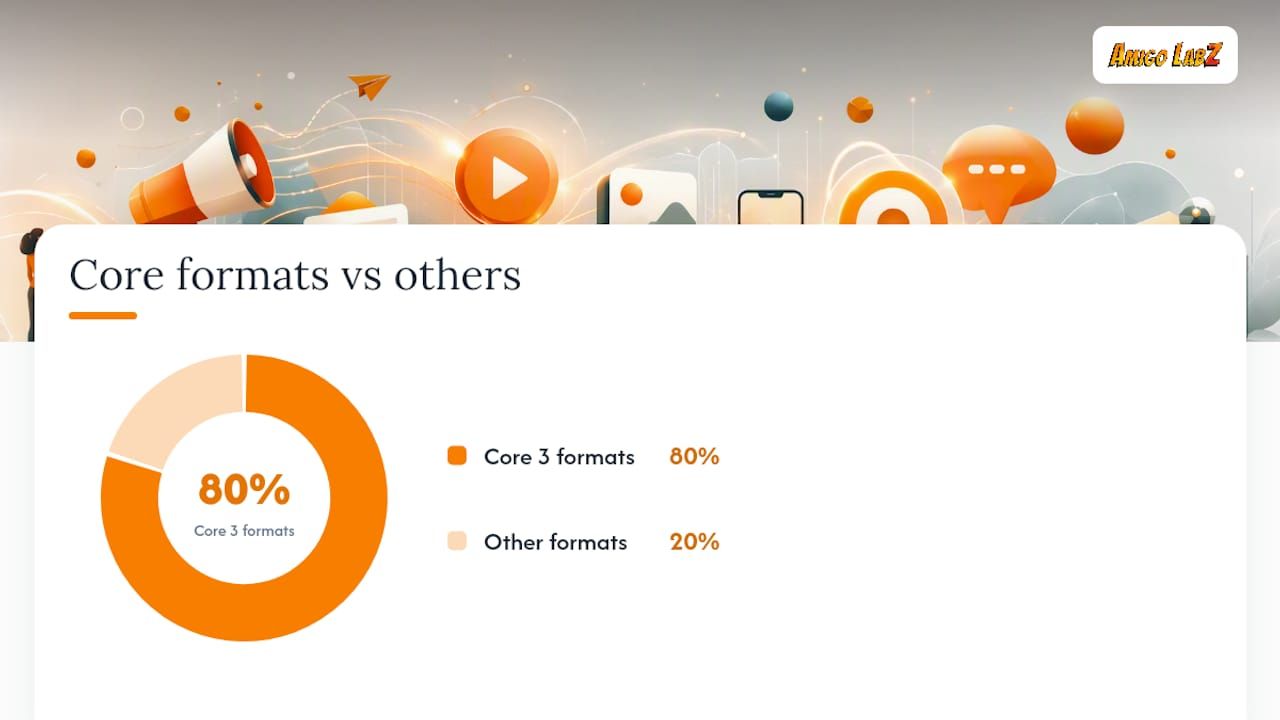
SEMrush's breakdown of digital advertising types covers this taxonomy in more depth if you want the full technical picture, but for a business running its first few campaigns, search, social, and retargeting cover 80 percent of practical use cases.
10 Internet Advertising Examples You Can Run This Month
Each example below includes the channel, a real targeting or spec detail, the metric to watch, and one takeaway you can act on without hiring anyone.
1. Local Search Ad With a Call Extension
A plumber bids on "water heater repair [city]" and adds a call extension so the phone number appears directly in the ad, no click required. Budget hint: a modest daily budget is enough to test in most mid-size metro areas. Watch cost per call, not cost per click. Anything under $20 per qualified call for home services is usually healthy. The tactical takeaway: call extensions convert better than a link click for urgent, local, phone-first services, so don't force a landing page visit when the customer just wants to dial.
2. Facebook Lead Form for a Local Service Business
Instead of sending traffic to a website, a moving company runs a lead ad with the form built directly into Facebook. The prospect never leaves the platform, just taps three fields and submits. Budget hint: start at $10 a day for a single zip code radius test. Success threshold: keep cost per lead low for most home service categories, though this varies by region. Takeaway: native lead forms remove the biggest drop-off point in mobile advertising, which is waiting for a slow page to load.
3. Dynamic Retargeting for an Online Store
An ecommerce shop uploads its product catalog and lets the ad platform automatically show the exact item a visitor abandoned in their cart. Budget hint: $5 to $10 per day per 1,000 site visitors is typical. Watch return on ad spend (ROAS); dynamic retargeting frequently outperforms cold prospecting by 3 to 5 times because you're re-engaging people who already showed intent. Takeaway: this only works if your pixel has been live for at least two to three weeks, so install tracking before you need the data.
4. Referral Program Promoted Through Email and Social
A car detailing business offers $20 off to both the referrer and the new customer, then promotes it through an email blast and a pinned social post. Budget hint: this requires minimal cost to launch since the "ad spend" is the discount itself. Success threshold: aim for a meaningful portion of your existing customer list to make one referral within a couple of months. Takeaway: referral offers work best when the reward is specific and immediate, not vague loyalty points redeemable someday.
5. Short-Form Video Ad Showing the Service in Action
A landscaping company films a 15-second vertical video of a backyard transformation, sped up with music, and runs it as a Reels or TikTok ad. Budget hint: $20 to $30 per day for a two-week test. Watch thumb-stop rate (the percentage who watch past three seconds) and cost per landing page view. Takeaway: raw, slightly imperfect footage often outperforms polished production because it doesn't look like an ad in the feed.
6. Email Win-Back Flow for Lapsed Customers
A wellness studio sets up an automated three-email sequence targeting anyone who hasn't booked in 60 days, offering a small incentive on the third email only. Budget hint: essentially free beyond your email platform subscription. Success threshold: a small percentage reactivation is a reasonable benchmark for the first attempt. Takeaway: don't lead with the discount. Lead with "we miss you," then earn the click before you spend margin on an offer.
7. Shopping Ads for a Product-Based Business
A boutique retailer feeds its inventory into Google Merchant Center so products appear with photo, price, and reviews directly in search results, no separate ad copy needed. Budget hint: $10 to $20 per day to start, scaling with product margin. Watch ROAS by product category since shopping ads often reveal which items are secretly your best performers. Takeaway: your product titles and images do the selling here, not clever copy, so invest time in clean photography before you invest in the ad budget.
8. Micro-Influencer or UGC Campaign
A skincare or wellness brand sends product to three or four local micro-influencers (5,000 to 20,000 followers) in exchange for one authentic post, then repurposes that content as a paid ad. Budget hint: $200 to $500 in product or flat fee per creator, plus a small ad budget to boost the best-performing post. Watch engagement rate on the organic post before you decide which one to promote. Takeaway: user-generated content ads frequently beat polished brand photography because they look like a recommendation, not a pitch.
9. Seasonal or Time-Zone-Targeted Promo
A regional service business running in both New Jersey and Nevada schedules different ad copy and send times to match local business hours and seasonal needs (snow removal messaging in the Northeast, heat-related HVAC messaging in Nevada). Budget hint: split your existing budget proportionally by market size rather than adding new spend. Success threshold: compare cost per lead across regions monthly and shift budget toward whichever market responds faster. Takeaway: one-size-fits-all ad copy across different climates and time zones quietly wastes a meaningful share of most multi-region budgets.
10. High-Impact Display Creative for Brand Awareness
A new business with no search history yet runs a simple, bold display banner (logo, one clear image, short tagline) across a regional news site to build recognition before search demand exists. Budget hint: this is the one place a modest budget of $5 to $10 per day over a month is appropriate, since the goal is impressions, not clicks. Watch view-through conversions rather than click-through rate. Takeaway: display works as the top of a funnel that search and retargeting will later close, not as a standalone conversion tool.
For more campaign structures across these same formats, a digital advertising examples roundup and this collection of digital marketing campaign examples both walk through additional real-world setups worth studying before you brief an agency or build your first campaign solo.
How to Choose the Right Ad Types for Your Business
The mistake most SMB owners make is trying to run five channels at once with a budget that barely supports one. A tighter decision path works better.
Start with your goal, not the channel. If the goal is "get the phone to ring this week," that points to search ads with a call extension. If the goal is "build a customer base over six months," that points to paid social paired with retargeting. If the goal is "clear excess inventory," shopping ads and email do the heavy lifting.
Next, consider customer intent. High-intent searches (someone actively looking for "24 hour towing") deserve search ads. Low-intent browsing (someone scrolling Instagram who's never heard of you) deserves social or video to build awareness first.
Budget shapes the decision too:
- Local trades (plumbers, landscapers, movers): Start with $500 to $1,000 monthly on search ads plus an optimized Google Business Profile, which is often the fastest path to map-pack visibility for local, high-intent searches.
- Ecommerce: Split budget between shopping ads and retargeting from day one; expect 30 to 60 days before ROAS stabilizes.
- B2B services: LinkedIn or search ads targeting specific job titles work better than broad social; expect a longer sales cycle, often 60 to 90 days before ad spend shows in closed revenue.
- Hospitality and wellness: Visual platforms (Instagram, video) outperform search since these are often discovery-driven purchases, not urgent needs.
For deeper local tactics by category, 16W Media Group's local advertising guide covers practical setups worth reviewing before you lock in a channel mix.
Metrics, Tracking, and How to Budget an Ad Campaign
Four numbers matter more than any others: cost per acquisition (CPA), return on ad spend (ROAS), click-through rate (CTR), and conversion rate. CTR tells you if your ad is interesting enough to click. Conversion rate tells you if your landing page closes the deal once they arrive. CPA and ROAS tell you if the math actually works for your margins.
Global online advertising revenue is on track to exceed $1 trillion by 2027, which tells you how much competition your ads are up against for the same attention, and why a sloppy landing page can no longer coast on cheap clicks.
Tracking setup doesn't need to be complicated. Install Google Analytics 4 (GA4), add conversion tags for whatever counts as a "win" (a form fill, a call, a purchase), and tag every ad link with UTM parameters so you know exactly which campaign, not just which platform, produced the result. Run a small validation test, $50 to $100, before scaling any campaign to confirm tracking actually fires correctly.
For budgeting, the 70/20/10 framework works well for most small businesses: 70 percent of spend on the channel you already know converts, 20 percent on a channel showing early promise, and 10 percent on pure experiments. A local business with a $1,500 monthly budget might run $1,050 on proven search ads, $300 testing paid social, and $150 trying something new like a podcast ad or micro-influencer post.
- Local business starter budget: $500 to $1,500 per month, mostly search plus Google Business Profile.
- Ecommerce starter budget: $1,000 to $3,000 per month, split between shopping ads and retargeting.
- B2B starter budget: $1,500 to $5,000 per month, weighted toward LinkedIn or intent-based search.
Pre-Launch Checklist Before You Spend a Dollar
- Confirm your landing page has one CTA. A page asking visitors to "call us, email us, or fill out this form" converts worse than one clear action.
- Check page load speed on mobile. Most ad traffic arrives on a phone; a slow page burns budget before anyone sees your offer.
- Match your ad copy to your landing page headline. If the ad promises "20% off" and the page doesn't mention it, trust drops and so does conversion rate.
- Verify tracking pixels and UTM tags fire correctly. Test this with a $20 spend before committing real budget.
- Define your audience narrowly for the first test. A 5 mile radius or a specific job title beats "everyone in the state" for a first campaign.
- Set a test budget and duration in advance. Seven days and $100 is a reasonable floor for a first read on most local campaigns.
- Decide your pass/fail number before you launch, not after you see results, so you're not tempted to move the goalposts.
Pro Tip: Write your success threshold on paper before the campaign goes live. It's far too easy to convince yourself a mediocre result is "promising" once real money and ego are on the line.
Strong call-to-action language on both the ad and the landing page can make a measurable difference in this first test, often more than the audience targeting itself.
Why Landing Pages Matter More Than the Ad Itself
Some agencies working with small and medium businesses across New Jersey and Nevada specialize in Google Ads management, Facebook Ads management, website design, and local SEO, and a common pattern shows up: the ad rarely fails first. The landing page does. Businesses that send paid clicks to a cluttered homepage instead of a focused, conversion-built page routinely lose money on traffic that was actually well targeted.
A digital advertising strategist notes that anonymized client performance data and case studies can be added here as specific campaigns mature and results are confirmed. The service areas above map directly to the channels and examples covered throughout this piece, which is intentional. The gap between reading about internet advertising and running it profitably is almost always a landing page and tracking setup, not a lack of ad ideas.
What Counts as Internet Advertising, Exactly?
Internet advertising is any paid placement designed to reach an audience through a digital channel, as opposed to organic reach you don't pay for directly. That distinction matters because a business often confuses "we posted on Instagram" (organic, free, limited reach) with "we ran a Facebook ad" (paid, targeted, scalable).
The category includes search engine marketing, paid social, display and programmatic buying, video pre-roll, native sponsored content, email marketing when it involves paid list acquisition or paid placement, shopping feeds, audio ads on streaming platforms, and affiliate arrangements where a partner earns a commission per sale. It does not include unpaid activity like organic social posting, unpaid SEO content, or word-of-mouth referrals, even though those activities often support the same business goals.
The line gets blurry with influencer marketing and native content, since a sponsored post can look identical to an organic one. The legal distinction, and the reason the Federal Trade Commission requires clear disclosure on sponsored content, is whether money or free product changed hands in exchange for the placement. For a business owner deciding where to spend, the practical distinction matters more: paid channels are controllable and scalable on demand, while organic channels build slowly and can't simply be turned up with a bigger budget.
What I'd Prioritize If I Were Starting From Zero Right Now
If I were advising a business owner starting from nothing, I'd skip the temptation to run four platforms at once and instead nail one paid channel, a Google Business Profile, and a single landing page built around one offer. Master that combination before adding a second channel. Most businesses that struggle with online advertising aren't picking the wrong platform. They're spreading a thin budget across too many platforms and never generating enough data on any one of them to know what's working.
Test small, measure honestly, and be willing to kill a campaign that isn't hitting its pass/fail threshold within the window you set. The businesses that win at this over multiple years aren't the ones with the cleverest ad copy. They're the ones who kept testing after the first campaign didn't work.
— John
Ready to Run Ads Without Guessing?
Every example in this article assumes you have time to build landing pages, test creative, monitor tracking, and adjust budgets weekly, which is a real job on top of running your business. Amigolabz handles Google Ads management, Facebook Ads management, and the website and landing page design that makes those ad dollars actually convert, for small and medium businesses across New Jersey and Nevada.

If your current site can't support a focused campaign, Amigolabz's website design and marketing services start with the landing page and local SEO foundation, then layer paid campaigns on top once that page is proven to convert. Book a call to walk through your specific business, goals, and budget, and find out which one or two channels make sense to start with.
Sources
The frameworks and figures in this article draw from Statista's ongoing online advertising research, Search Engine Journal's comparison of SEO and PPC, SEMrush's digital advertising taxonomy, and Xero's small-business budgeting guide. For hands-on execution, Google Analytics 4 and Google Ads cover tracking and search campaigns, while a dedicated landing page builder like Leadpages handles the conversion side most homepages weren't built for. Reviewing a creative testing framework before scaling ad spend also helps avoid wasted budget on unproven creative.
FAQ
What Is the Easiest Internet Ad Type for a Beginner?
Local search ads with a call extension are typically the fastest to set up and the easiest to measure, since a phone call is a clear, immediate signal of interest.
How Much Should a Small Business Spend on Its First Ad Campaign?
Most small businesses can run a meaningful first test on $500 to $1,000 a month, though a 70/20/10 split helps allocate that budget between proven and experimental channels.
Do I Need a Website Before I Start Advertising?
Yes. Sending paid traffic to a weak or generic page is one of the most common reasons small-business ad campaigns underperform, regardless of how well the ad itself is targeted.
How Long Before an Internet Ad Campaign Shows Results?
Search ads often show usable data within a week, while paid social and retargeting typically need 30 to 60 days to stabilize as the algorithm learns your audience.
Can an agency manage my Google Ads and landing page together?
Yes. Some agencies offer Google Ads management, Facebook Ads management, and website design as connected services so the ad, the landing page, and the tracking work as one system rather than three disconnected pieces.
Recommended